







How Often Should Your Pet Have Professional Teeth Cleanings?
October 27, 2025If you’ve ever wondered how often your dog or cat needs their teeth cleaned, or if they really need their teeth cleaned at all, you’re not alone. Pet parents ask us this question all the time, especially when their BFF just had a dental cleaning and everything looks great.
At a glance
The short answer? Every 6 months. Just like us, pets need regular dental visits twice a year to keep their mouth healthy, their breath fresh, and their smile shining. Small breeds, seniors, and pets with recurring tartar may need cleanings even more often.
But why so often? Let’s break it down.
A Lot Can Change in 6 Months
Even if your pet’s teeth look clean from the outside, plaque starts forming within hours after a cleaning. Over the course of a few months, that soft film hardens into tartar, which brushing at home can’t remove.
By the 6-month mark, enough tartar and bacteria have usually built up that it’s time for a professional cleaning. Without it, dental disease can start to set in leading to painful gums, loose teeth, and even risks to your pet’s overall health.
Due or overdue? Book a gentle, no-anesthesia cleaning; most pets are in and out in about an hour, tails wagging.
What Happens at a Professional Pet Dental Cleaning?
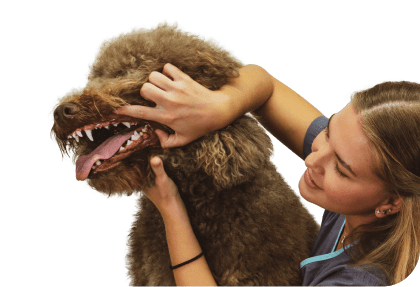
A 6-month pet dental visit isn’t just about a sparkling smile (though that’s a nice perk). It’s also a chance for our trained technicians to:
- Remove plaque and tartar buildup
- Check for loose, fractured, or damaged teeth
- Screen for growths or tumors in the mouth
- Catch small issues before they become painful or expensive
Think of it as preventive care: a simple visit now that saves your pet from discomfort and you from surprise vet bills later.
What About Brushing Your Pet’s Teeth at Home?
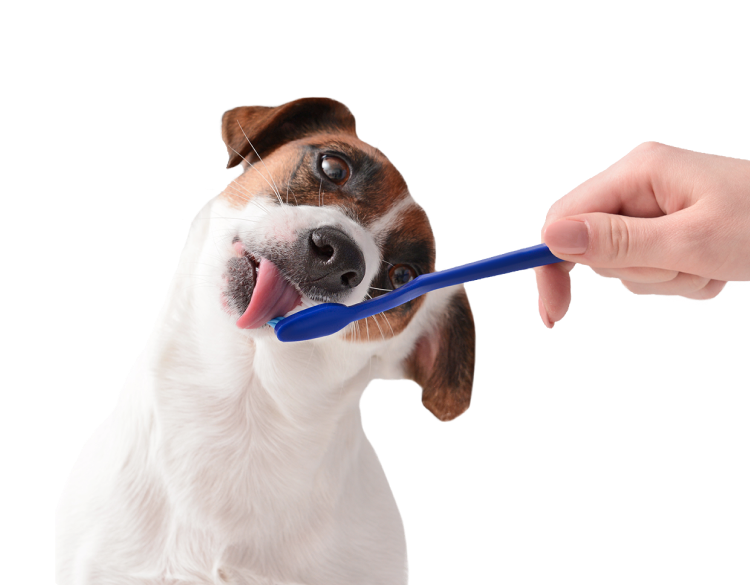
Brushing your pet’s teeth (or using chews, rinses, and water additives) is a great way to support their oral health between visits. But even the most diligent pet parents can’t fully stop tartar from forming. That’s why professional cleanings are the gold standard; brushing alone just isn’t enough.
Not sure where your pet stands between cleanings? Take the free 60-second Pet Dental Assessment for a quick read.
Is a Professional Dental Cleaning Every 6 Months Best For Every Pet?
Most cats and dogs benefit from a professional teeth cleaning every 6 months. Some may need them even more often if they:
- Are small breeds (who tend to develop dental disease faster)
- Are seniors with existing dental concerns
- Have had recurring plaque or tartar buildup
Your dental technician can help recommend the right schedule for your pet, but twice a year is the best place to start. Professional teeth cleanings every 6 months are the most effective way to protect your pet’s smile, prevent dental disease, and keep them happy and healthy!
If it’s been more than 6 months since your pet’s last dental cleaning or they haven’t had one yet, now’s the time to schedule their appointment.
HealthySmiles, Happy Pets 🙂
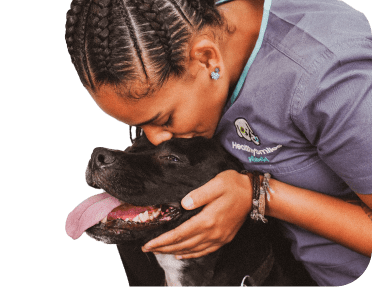
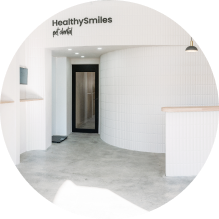
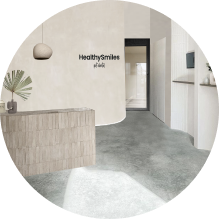
We know vet & grooming visits can feel stressful, so that’s why we created a calm, spa-like environment for non-anesthetic dental cleanings. Most pets relax right into the process, and they’re in and out in about an hour with their tails wagging and smiles fresh.
Find your nearest spa and book a cleaning near you.
Frequently Asked Questions About Pet Teeth Cleaning Frequency
How often should pets have professional teeth cleanings?
Every 6 months for most dogs and cats. Plaque starts forming within hours of a cleaning and hardens into tartar within a few months, so twice a year keeps buildup from turning into dental disease.
Do some pets need cleanings more often than every 6 months?
Yes. Small breeds, senior pets with existing dental concerns, and pets with recurring plaque or tartar may benefit from more frequent visits. Your dental technician can recommend the right schedule.
Is brushing at home enough to skip professional cleanings?
No. Brushing, chews, and water additives are great support between visits, but they cannot remove hardened tartar. Professional cleanings do the work home care cannot.